Up until 1970, Canada did not distinguish between refugees and immigrants, with a clear preference for newcomers who could be easily assimilated and seen as an economic asset. The Immigration and Refugee Protection Act of 2002 marked a turning point in Canada’s approach to refugee populations.
Salvadorans began migrating in the late 1970s, and in the 1980s, thousands arrived as government-sponsored or privately-sponsored refugees. Many made their claim at the Canada–U.S. border, while others came with a Minister’s Permit. There are so many stories of migration and displacement that we can only record a few to give the public a glimpse of people’s experiences leaving home, traveling, and arriving in what would become a new home.
The London interviews reveal disturbing stories, but they also demonstrate how Canada has successfully integrated over a million refugees from around the world over the last four decades. Our Salvadoran community is part of this group of people who have greatly enriched Canadian society and the economy.
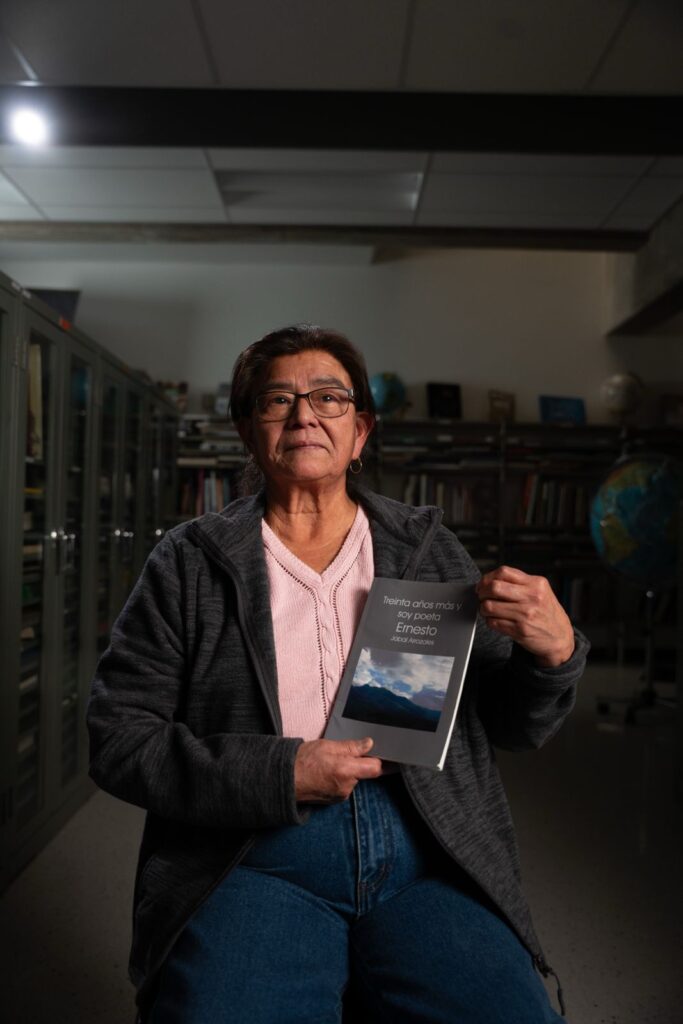
It will still be two more years before the Virtual Museum of Migration Stories is complete, but we think it is important to let the public know that it is in progress, alongside the creation of a Diaspora book.
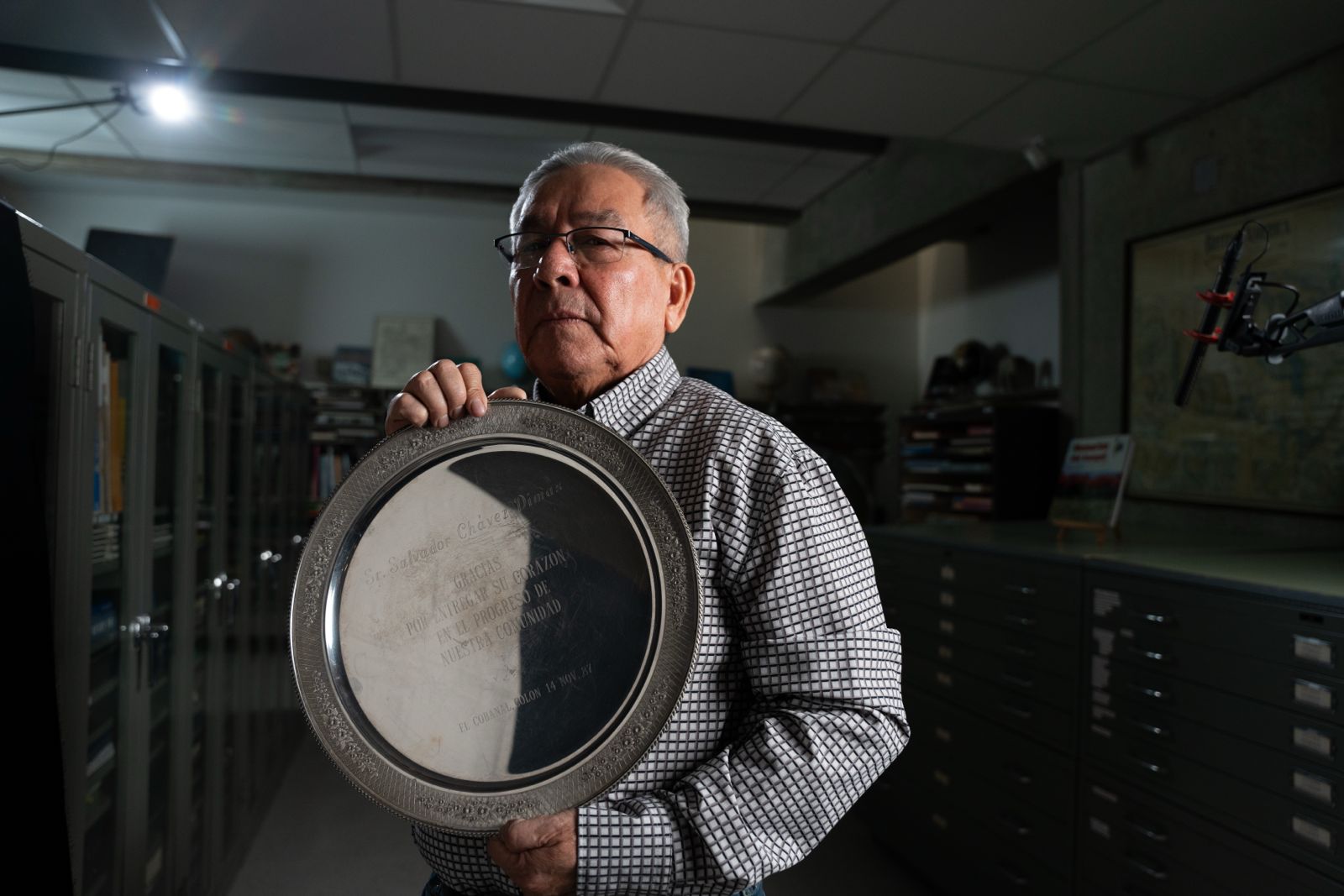
We also acknowledge that the interviews were filmed on the ancestral territories of Indigenous peoples across Turtle Island, specifically at Western University. Special thanks to Dr. Amanda Grzyb, Zack MacDonald, Shawn Robertson, Kai Phillips Wilson, and Tania Canas for their assistance with setup, registration, and filming, as well as to all the participants who contributed so much to the creation of what will become our Virtual Museum.